



University of Maine Cooperative
Extension
WALDO COUNTY HOME
| COUNTY
OFFICES | PROGRAMS |
RESOURCES
| PUBLICATIONS |
WHAT'S
NEWS | UMAINE EXTENSION
HOME | UMAINE
What happened to Perspectives last month?
We apologize for missing an issue of Perspectives. Between the holidays, vacations and year end deadlines, Perspectives fell through the cracks. As we start 2008, our office as well as Extension state wide is evaluating newsletters such as Perspectives to see if we should go to a statewide newsletter or change to 6 editions per year instead of 12. We will let you know and we also welcome your input. We hope you enjoy and learn from what you read in this newsletter!
Spring Garden Celebration!
Save the Date:
ï Saturday, April 26th at Unity College ð
Stay tuned! More details coming soon!
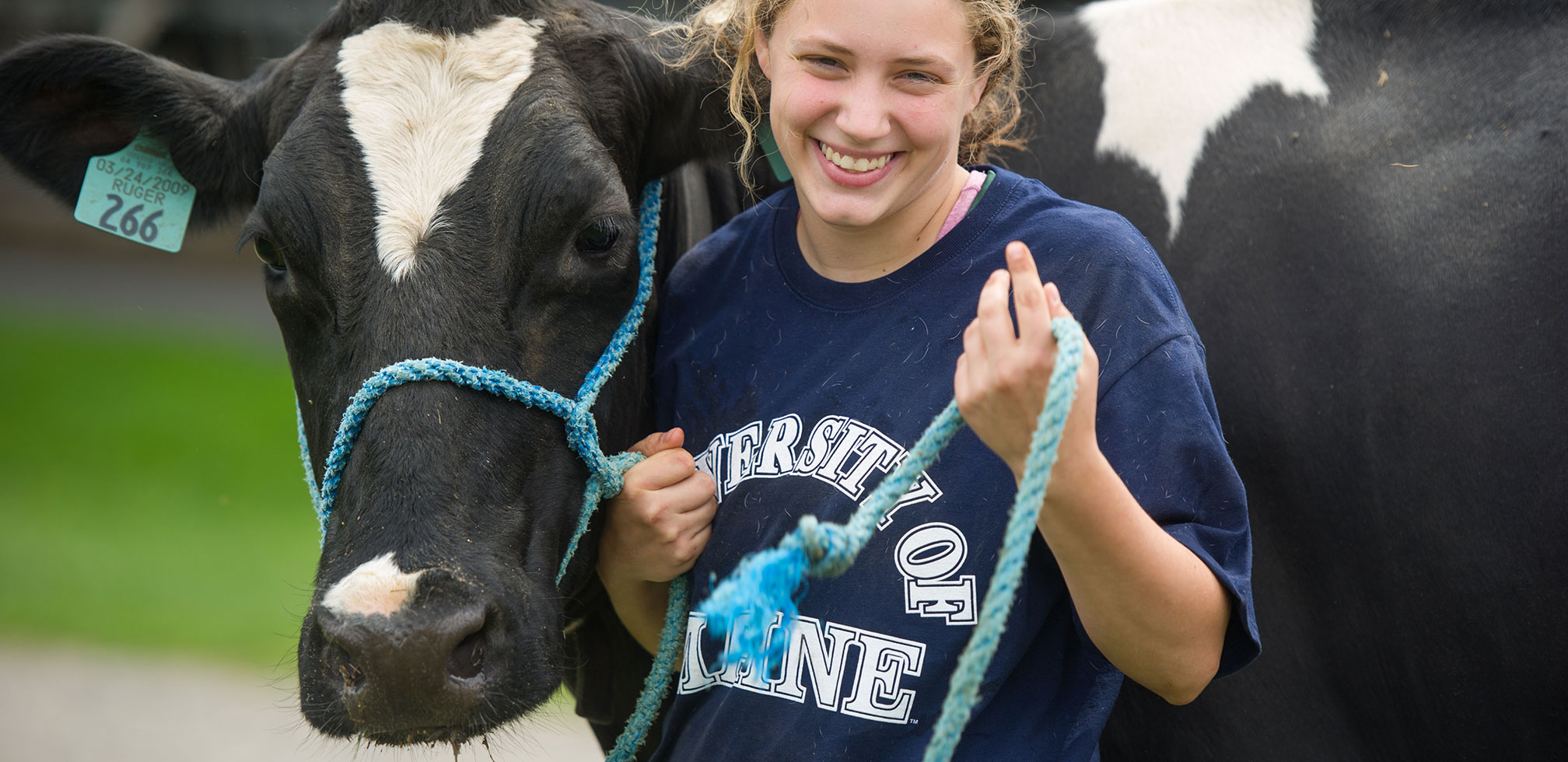
Many of you have interacted with Connie in her multiple roles in Cooperative Extension and dairy farming. Connie is getting set to retire in February and we want to wish her the best in her new endeavors (painting…gardening...and oh yeah…feeding those calves!)
Connie has served many roles in her work with Extension. She started working for Waldo County Extension in 1989 as a 4-H consultant, then 4-H Aide in 1994, then Support Staff in 2000. And we couldn’t forget her service as a 4-H volunteer for 17 years and a current member of the Monroe Extension Homemakers Group for nearly 50 years. For many years as a 4-H volunteer leader, Chairman of the Waldo County Extension Homemakers Council, Executive Committee member and most recently as an Administrative Assistant in our office three days a week, Connie has seen and done it all. Many credit her tireless work to the successful passing of the county bond issue that built our facility some 22 years ago! All of this while doing endless hours of volunteer work with other organizations such as the Rebekahs.
Connie’s last day in the office will be February 13th. If you get a chance, give her a call or send a card to wish her the best!
University of Maine Cooperative Extension invites all gardeners to attend “Enjoy Your Garden With Containers and Raised Beds,” a day-long program on small-scale gardening being held throughout the state of Maine at 11 locations. Each workshop begins with check-in at 8:45 a.m. and ends at 3:30 p.m. Gardeners should bring a lunch; beverages will be provided. The fee of $5 covers printed handouts and workshop materials. A limited number of scholarships are available. Pre-registration is required.
To register or for more information, please call UMaine Extension’s Oxford County office at 207-743-6329 (800-287-1482 in Maine) or e-mail bmurphy@umext.maine.edu.
“This workshop is for gardeners who have felt overwhelmed with their past gardens and are looking for quick and easy ways to grow their own produce on a small scale,” says Donna Coffin, Extension educator. “Container and raised bed gardens are a great way for new gardeners to get started and have a successful year growing vegetables, fruits or flowers.”
The dates and locations for the programs are:
March 6 UMaine Extension’s Oxford County office, South Paris
March 11 Woodford’s Congregational Church, Portland
March 12 UMaine Extension’s Somerset County office, Skowhegan
March 13 UMaine Extension’s Penobscot County office, Bangor
March 17 UMaine Extension’s York County office, Springvale
March 19 TBA, Farmington
March 25 UMaine Extension’s Androscoggin/Sagadahoc County office, Lisbon Falls
March 26 UMaine Extension’s Piscataquis County office, Dover-Foxcroft
March 29 UMaine Extension’s Aroostook County office, Presque Isle
April 2 Longfellow’s Greenhouse, Manchester
April 9 UMaine’s Hutchinson Center, Belfast
For more than 90 years, University of Maine Cooperative Extension has supported UMaine’s land-grant public education role by conducting community-driven, research-based programs in every Maine county.
Choosing Fruit Tree Varieties & Preparing Fruit Trees for Winter
From the UMaine Extension Publication Growing Fruit Trees in Maine by Renae Moran and Glen Koehler
There are many species of fruit trees to choose from, but not all are suitable for Maine’s cold climate or short growing season. When choosing a fruit tree for a new orchard, consider its winter hardiness and the ripening date of the fruit. Variation in flavor and suitability for pies, cider or preserves can also be deciding factors in selection.
Low winter temperatures limit which species or variety that can be grown. Unadapted varieties will be severely injured or die when exposed to temperatures they cannot tolerate. Apples and hybrid plums are the most winter hardy of the tree fruits and can be grown in most locations in Maine. Other tree fruits are limited to southern and coastal areas.
The US Department of Agriculture’s Plant Hardiness Zone Map divides the United States into zones according to the expected coldest winter temperature. Zone 1 is the coldest and Zone 11 the warmest. The southern, coastal area of Maine is Zone 6, which is expected to get as cold as -10ºF. Many tree fruit species are adapted to Zone 6. The inland areas of southern Maine and the more northerly coastal region are Zone 5, which is expected to get as cold as -20ºF. Most tree fruits can survive in Zone 5, but peaches, sweet cherries and Asian plums will suffer from winter injury in colder years. Oxford, Franklin, Somerset, Piscataquis, Penobscot, northern Washington and southern Aroostook counties generally fall into Zone 4, which is expected to get as cold as -30ºF. This is too cold for peaches, nectarines, apricots, cherries, Asian plums and European plums. Some varieties of pear and plum will tolerate winter in Zone 4. Northern Aroostook County is Zone 3 which is too cold for most apple varieties and all other tree fruits. A few varieties are hardy enough for Zone 3, but could be injured or killed in the coldest winters when temperatures drop below -40°F.
Apple varieties suggested for Zone 3 are Beacon, Chestnut Crab, Duchess, Snow, Hazen, Lobo, Minjon, Oriole, Red Baron, State Fair, and Wealthy. For Zone 4, Alexander, Almata, Black Oxford, Duchess of Oldenburg, Fameuse, Fireside, Honeycrisp, Jonathan, Keepsake, Liberty, Lodi, Milden, Northern Lights, Paula Red, Prairie Spy, Pristine, Red Duchess, Richeleau, William’s Pride, Wolf River, Yellow Transparent, Zestar!, and those listed for Zone 3 are recommended. Varieties not listed here may also be sufficiently hardy for your area. Additional information on winter hardy varieties can be found in nursery catalogs and websites.
Apples succumb to the disease called “apple scab”, a major problem in the Northeast. To avoid this disease, select resistant varieties such as Enterprise, Freedom or Liberty. Other varieties have some resistance to apple scab, and some of these are Discovery, Honeycrisp, Hudson’s Golden Gem and Wolf River. (For more information on varieties with resistance to scab, the complete publication has a section on diseases.)
Maine’s growing season is too short for some apple varieties. Braeburn, GoldRush, Granny Smith, Mutsu, Pink Lady, Rome Beauty and Winesap do not ripen before the first freeze and lack their characteristic varietal flavor when grown in Maine. Varieties that ripen after Golden Delicious require a long growing season and may not ripen in Maine.
European pear varieties suggested for Zone 4 are Clapp’s Favorite, Flemish Beauty, Golden Spice, Gourmet, Harrow Delight, Luscious, Maxine, Parker, Patten and Seckel. There may be other hardy varieties not listed here. While fireblight disease is not a major problem in Maine, planting varieties with resistance can prevent outbreaks when they do occur. Blakes’ Pride, Harrow Delight, Magness, Maxine, Potomac and Seckel have resistance to fire blight.
Asian pears are hardy into Zone 5. In contrast to European pears, these have a crisp texture and smaller fruit size. Many varieties are available, but have not been evaluated for cultivation in Maine.
Quince, an uncommon tree fruit in the US, is hardy into Zone 6. The fruit are pear-like but with a tougher skin. They require a long growing season and may not ripen in Maine. Since they have not been evaluated for cultivation in Maine, it is not known which varieties are most suitable for our climate. Flowering quince is a different species than the one that is cultivated for fruit. Flowering quince has greater winter hardiness, but bears fruit of inferior quality.
There are three types of cultivated plums, Asian, Asian-American hybrids and European plums. They differ in winter hardiness and many other traits as well.
Asian plums are round in shape and tart in flavor. Although the least hardy, they are the most widely grown type in the United States. The Asian plum is hardy to -10°F, and can be grown in Zone 6. The varieties Shiro and Methley are recommended for Zone 5.
\Asian-American hybrids resemble Asian plums, but have greater winter hardiness. By cross breeding the American species with the Asian species, these hybrids allow gardeners to grow plums in cold climates. They are hardy to -30°F and can be grown in Zone 4 and warmer zones. Varieties with sufficient hardiness for Zone 4 are Alderman, LaCresent, Pipestone, Redglow, South Dakota, Superior, Toka, Underwood and a few others.
European plums have a variety of shapes and flavors. The prune types are elongated in shape and very sweet in flavor. They can be eaten fresh or dried into prunes. The gage types are round in shape and also taste sweet. Gage plums are rare in the US, and are not widely available for cultivation. The damson types are small and round in shape and tart in flavor. They are typically used in preserves. Most European plum varieties are hardy to -20°F, or in Zone 5, but not in colder zones. A few varieties may survive most winters in the southern part of Zone 4, and two of these are Stanley and Mount Royal.
Sweet cherries are hardy in Zone 5. However, the flower buds become very tender in early spring as they resume growth and are killed by early spring freezes nearly every year. Even though trees may survive winter, the flower buds that emerge in spring most often do not survive. Varieties suggested for Zone 5 are Black Tartarian, Hedelfingen, Kristen, Lambert, Lapins, Royal Ann, Stella and Van.
Tart cherries are hardy in Zone 5, with a few varieties hardy in the southern part of Zone 4. They are primarily grown for use in pies since they are too tart to eat fresh. Varieties suggested for Zone 4 are Mesabi, Meteor, and North Star. Like sweet cherry, the tart cherry flower buds are tender in late winter and early spring. Balaton is a tart cherry variety with flavor that is sufficiently sweet for eating fresh, but lacks the hardiness of other tart cherry varieties.
Apricot flower buds are hardy into Zone 6, but the rest of the tree will survive in the southern part of Zone 4. Plum-apricot hybrids, called pluots, plumcots, and apriums, are hardy into Zone 6.
Peaches and nectarines are adapted to Zone 6. The tender flower buds are not likely to survive winters colder than -15°F. Flower buds survive mild winters in Zone 5. Because the tree itself is also tender, peaches have a short life expectancy in Maine, typically living ten years or less. This does not mean they cannot be grown, but instead, that they should be replanted often. Cresthaven, Harrow Diamond, Reliance, Redhaven and Surecrop are varieties suggested for Zone 5. Freestone peaches are best for eating fresh and clingstone peaches for canning.
Before planting fruit trees, consider your expectations when choosing which species and varieties to plant. Those who expect long-lived trees should select a type of tree and variety with winter hardiness and disease resistance. If tender fruits such as peach and apricot are desired, it is possible to grow them, however, with the expectation that they will be short-lived in Maine.
Preparing Fruit Trees for Winter
In addition to being adapted to the coldest temperatures, trees must quickly acquire hardiness in the fall, before subfreezing temperatures occur. Trees gradually become winter hardy as they are exposed to freezing temperatures, finally becoming fully hardy in early winter. This process begins in the buds and young shoots and progresses into the larger limbs. The trunk is the last part of the tree to acquire hardiness and the most likely to be injured by an early fall freeze. Failure to harden-off before severely cold weather is a common cause of winter injury. If they have not acquired winter hardiness, even the most winter hardy varieties can be injured by freezing temperatures.
Good cultural practices hasten hardening-off and reduce the likelihood of damage from fall freezes. Allowing the tree to bear too large a crop of fruit delays the hardening-off process. Apple, pear and peach fruit should be thinned in early summer so that the tree does not bear an excessive number of fruit. In addition, fruit should be harvested when ripe instead of being left on the tree. Too much nitrogen fertilizer, particularly in summer, stimulates shoot growth and delays hardening-off. Encourage the proper onset of winter hardiness by thinning and harvesting fruit, and by limiting the amount of fertilizer.
Good cultural practices increase the degree of hardiness in midwinter. Poor tree care reduces the amount of energy stored by the tree, which is used in spring to grow new shoots and to replace tissues that have been killed by winter injury. Overwatering, which is very stressful to the roots, limits the level of hardiness the tree can acquire. Fruit trees are more sensitive to excess soil moisture than to drought. Diseases that attack foliage, such as apple scab and peach leaf curl, reduce winter hardiness because of the stress they place on the tree. Disease prevention is an important step in preparing trees for winter. Pruning at the right time of year also promotes winter survival. Pruning causes a small loss of hardiness, so trees should be pruned in late winter or early spring, after the chance for severe temperature has passed. Tender trees such as peaches and trees less than three-years-old should be pruned in April or early May.
For a copy of the complete 22 page illustrated booklet Growing Fruit Trees in Maine, please contact: Liz Stanley, Horticulture Program Coordinator 800-244-2104 x 123 or lstanley@umext.maine.edu. For a large print edition of the booklet, contact Highmoor Farm 800-924-5258.
The Gardener's Corner by Kathy Hopkins
Q. What are some easy houseplants to grow that will survive the winter and thrive indoors?
A. Winter in Maine can be tough on plants. Even though we are growing them inside, our houses tend to have temperature fluctuations and also tend to be quite dry. Here are some tough plants that can take our indoor climate.
Aloe (Aloe spp.). This large succulent is a common houseplant with appealing green leaves and white spots. It may send out a stem with orangish to red flowers if given ample light throughout the year. Aloe need well-drained, coarse soil and bright light.
Amaryllis (Hippeastrum spp.). Commonly forced into bloom during winter, these bulbs can be planted weekly in fall and early winter to provide a continual display. Keep plants in bright but indirect light to prolong the blooms. Let the bulbs continue to grow all summer, cut back water and rest them in late summer to early fall, then take them out to bloom again next year.
Christmas Cactus (Schlumbergera spp.). Christmas cacti can actually bloom anytime from fall to spring, depending on the cultivar. Unlike common desert cacti, these need regular watering (but will quickly fail if overwatered) and filtered light.
Corn Plant (Dracaena spp.). This unassuming plant, usually considered a foliage plant only, has some of the most sweetly scented flowers in nature, which dangle from stalks arising from the center of the plant. Mature plants 6 feet and taller have the best chance of blooming. Provide bright light and average soil moisture.
Kalanchoe (Kalanchoe spp.). This succulent produces masses of long-lasting, brightly colored flowers, and some types have glossy foliage. Provide bright light and dry to average soil moisture.
RECIPES
Here’s a couple favorites, made healthier with a few changes:
Bean Dip
15 oz can black beans, drained and rinsed
2 Tbsp cider vinegar
1/2 tsp chili powder
1/2 tsp cumin
1/4 tsp dried oregano
1 Tbsp water
Puree all ingredients in a blender or a food processor and blend until smooth. Heat dip in microwave on high power for 2-3 minutes. Stir well.
Serve with baked tortilla chips, whole wheat pita triangles, or raw veggies.
Servings: 4 servings—1/2 cup each
Diabetic Exchanges: Bread and Starch: 1.5
Total Preparation and Cooking Time: 8 min. (5 prep, 3 cook)
Cheese Ball
16 oz fat-free cream cheese
8 ounces light cream cheese
2 ounces reduced fat cheddar cheese, shredded
1 tsp Worcestershire sauce
2 Tbsp grated onion
1 minced garlic clove
1/2 cup chopped fresh parsley
Using a hand blender, cream the cream cheese and cheddar until smooth. Add the Worcester, onion, and garlic.
Refrigerate the cheese mixture. Form into a ball and roll in chopped parsley. Cover and refrigerate until ready to serve - up to 2 days.
Serve with whole wheat low-fat crackers, and fresh vegetable sticks.
Servings: Serves 16. Each serving 4 tablespoons.
Diabetic Exchanges: Bread & Starch: 0.5, Fat 0.5, Milk: 5.0
Total Prep. & Cooking Time: 5 min. (5 Prep, 0 Cook)
Source: Communicating Food for Health
The leading cause of death during winter storms is transportation accidents. Preparing your vehicle for the winter season and knowing how to react if stranded or lost on the road are the keys to safe winter driving.
Before a Storm
Have a mechanic check the following items on your car.
· Battery
· Antifreeze
· Wipers and windshield washer fluid
· Ignition system
· Thermostat
· Lights
· Flashing hazard lights
· Exhaust system
· Heater
· Brakes
· Defroster
· Oil level (if necessary, replace existing oil with a winter grade oil or the SAE 5w/30 weight variety)
Install good winter tires. Make sure the tires have adequate tread. All-weather radials are usually adequate for most winter conditions. However, some jurisdictions require that to drive on their roads, vehicles must be equipped with chains or snow tires with studs.
Keep a windshield scraper and small broom for handy ice and snow removal.
Keep at least a half tank of gas during the winter season.
Plan long trips carefully. Listen to the radio or call the state highway patrol for the latest road conditions. Always travel during daylight and, if possible, take at least one other person.
Use alternate transportation. If you must go out during a winter storm, use public transportation whenever possible.
Dress warmly. Wear layers of loose-fitting, layered, lightweight clothing.
Carry food and water. Store a supply of high energy "munchies" and several bottles of water. (Allow for expansion in container if water might freeze.)
Contact your local emergency management office, American Automobile Association (AAA) or American Red Cross chapter for more information on winter driving.
Winter Car Kit
Keep these items in your car:
· Flashlights with extra batteries
· First aid kit with pocket knife
· Necessary medications
· Several blankets
· Sleeping bags
· Extra newspapers for insulation
· Plastic bags (for sanitation)
· Matches or lighter
· Extra set of mittens, socks, and a wool cap
· Rain gear and extra clothes
· Small sack of sand for generating traction under wheels
· Small shovel
· Small tools (pliers, wrench, screwdriver)
· Booster cables
· Set of tire chains or traction mats
· Cards, games, and puzzles
· Brightly colored cloth to use as a flag
· Canned fruit and nuts (Allow for freezing)
· Nonelectric can opener
· Bottled water (Allow for freezing)
If You Are Trapped in Your Car During a Storm
· Stay in the car. Do not leave the car to search for assistance unless help is visible within 100 yards. You may become disoriented and lost in blowing and drifting snow.
· Display a trouble sign. Hang a brightly colored cloth on the radio antenna and raise the hood if weather permits.
· Occasionally run engine to keep warm. Turn on the car's engine for about 10 minutes each hour. Run the heater when the car is running. Also, turn on the car's dome light when the car is running.
· Beware of carbon monoxide poisoning. Keep the exhaust pipe clear of snow, and open a downwind window slightly for ventilation.
· Watch for signs of frostbite and hypothermia. Frostbite is a severe reaction to cold exposure that can permanently damage its victims. A loss of feeling and a white or pale appearance in fingers, toes, or nose and ear lobes are symptoms of frostbite.
Hypothermia is a condition brought on when the body temperature drops to less than 90 degrees Fahrenheit. Symptoms of hypothermia include uncontrollable shivering, slow speech, memory lapses, frequent stumbling, drowsiness, and exhaustion.
If you think someone has frostbite or hypothermia, begin warming the person slowly and seek medical help. Warm the person's trunk first. Use your own body heat to help. Arms and legs should be warmed last because stimulation of the limbs can drive cold blood toward the heart and lead to heart failure. Put person in dry clothing and wrap their entire body in a blanket.
Never give a frostbite or hypothermia victim something with caffeine in it (like coffee or tea) or alcohol. Caffeine, a stimulant, can cause the heart to beat faster and hasten the effects the cold has on the body. Alcohol, a depressant, can slow the heart and also hasten the ill effects of cold body temperatures.
· Do minor exercises to keep up circulation. Clap hands and move arms and legs occasionally. Try not to stay in one position for too long. If more than one person is in the car, take turns sleeping and huddle together. Use newspapers, maps, and even the removable car mats for added insulation.
· Avoid overexertion. Cold weather puts an added strain on the heart. Unaccustomed exercise such as shoveling snow or a car can bring on a heart attack or make other medical conditions worse. Be aware of symptoms of dehydration.
Source: "Winter Driving," Federal Emergency Management Agency. Reviewed by Jack W. Donovan, Extension Educator.
For more information on emergency preparedness, contact your county Extension office.
©1998, 2005
Published and distributed in furtherance of Acts of Congress of May 8 and June
30, 1914, by the University of Maine Cooperative Extension, the Land Grant
University of the state of Maine and the U.S. Department of Agriculture
cooperating. Cooperative Extension and other agencies of the U.S.D.A. provide
equal opportunities in programs and employment. 02/05
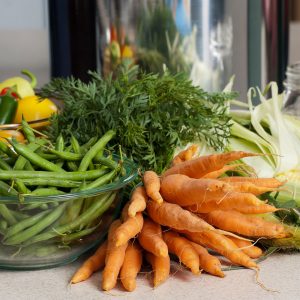
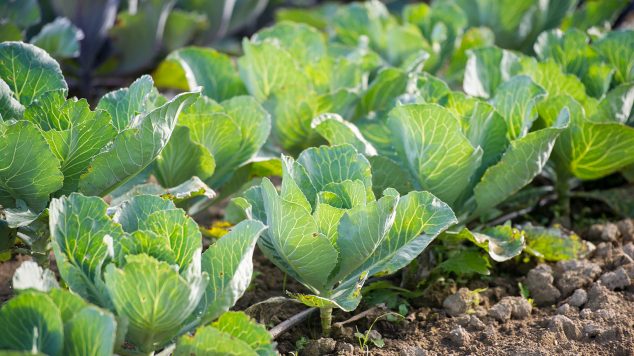
Vegetable Varieties for Maine Gardens
Choosing the right varieties of vegetables to grow is an important part of successful gardening.
Select varieties that are adapted to Maine’s climate and your local growing conditions. The varieties recommended in this bulletin are generally available and successful in northern New England. There are many other varieties available, both new and old, that may perform well in some Maine gardens. Use your past experience—the soils and climate in your location may greatly affect the performance of some varieties. You will probably develop a list of favorite vegetable varieties that consistently do well in your garden.
It’s best to test new varieties in a small planting next to a familiar variety of the same crop so that you can fairly compare their performance and qualities. For most crops, different varieties will have a range of maturity dates, indicated in seed catalogs by the number of days from planting to harvest. In northern Maine, plant only early varieties of warm-season vegetable crops, such as tomatoes, peppers, and melons, to ensure harvest before frost. In more southerly parts of Maine, both early and midseason varieties can be successfully harvested in most years.
Look for varieties with disease resistance. There are many varieties available today that are resistant to some of the most common vegetable diseases. Disease resistance can prevent crop loss and reduce the need for pesticides. Seed catalogs typically list any disease resistance a variety has. For example, with tomatoes and peppers, look for resistance to Fusarium, Verticillium, and tobacco mosaic virus. For cucumbers and squash, look for resistance to scab, anthracnose, Alternaria, Fusarium, mosaic virus, powdery mildew, and bacterial wilt. For beans, look for resistance to halo blight, mosaic virus, and rust.
For a complete list of suggested varieties, visit http://www.extensionpubs.umext.maine.edu and click on the search button. Search for “2190” or “Vegetable Varieties for Maine” or call 1-800-287-1426 and ask for publication #2190.
Parents Are Teachers Too program
If you are expecting or recently had your first baby, call 1-800-287-1426 for
more information or to enroll in the PATT program to help your child get the
best possible start in life.
Eat Well program
Could you use help in stretching food stamps, cooking and shopping for one or
two, providing snacks for children? Contact UMaine Cooperative Extension Eat
Well Program for a nutrition aid to help you.
Newsletters available from UMaine Extension Waldo County
4-H on the Move – Monthly newsletter covering County, State & National 4-H activities, news, and resources
Eat Well - Quarterly newsletter featuring food topics, nutrition, health, exercise & food safety, emphasizing our EatWell program
Perspectives - Monthly newsletter with upcoming programming and events in Waldo County, and informative articles from various program areas
Publications Catalog – Listing all UMaine Extension publications available
Staff
Extension Educators:
EAT WELL NUTRITION STAFF:
4-H PROGRAM AIDE:
PARENTS ARE TEACHERS, TOO STAFF:
EXTENSION SUPPORT STAFF:
Sónia Antunes
Also:
Waldo County Extension Association
PRESIDENT: Barbara Gould
SECRETARY: Lucia (Chia) Murdock
TREASURER:
Michelle Gharst
Jacqui Lee
Andrew Marshall
Robert Nelson
Anne Rothrock
Putting knowledge to work with the people of Maine

A Member of the University of
Maine System
Last Modified:
08/12/09
These pages are currently being maintained from the
Waldo County Office, University of Maine Cooperative Extension.
Send comments, suggestions or inquiries to santunes@umext.maine.edu
COUNTY OFFICES | PROGRAMS | RESOURCES | PUBLICATIONS | WHAT'S NEWS | UMAINE EXTENSION HOME | UMAINE
Information in this web site is provided purely for educational purposes. No responsibility is assumed for any problems associated with the use of products or services mentioned in this web site. No endorsement of products or companies is intended, nor is criticism of unnamed products or companies implied.
If you are a person with a disability and will need any accommodations to participate in a UMaine Extension program, please contact your county office to discuss your needs. For assistance via a TTY line call 1-800-287-8957.