



|
|
January 2001
There are at least three reasons why people decide to supplement the naturally occurring food available to deer. Believing that the animals' survival depends on supplemental food, they offer emergency feed during severe weather such as winter storms. Thinking to increase the quality or quantity of deer and thus benefit hunters, they provide supplemental foods. Enjoying the view from their windows, they feed deer as a form of recreation.
But, is supplemental feeding good for deer? Deer cope with winter by moving to habitat that may be more than twenty miles away from their summer range. These winter deer yards, in stands of evergreens, offer dense cover for shelter. Deer sleep in a central resting area with an extensive network of trails packed through the snow so they can seek food as well as escape predators such as coyote. They browse on a wide variety of woody deciduous and evergreen trees and shrubs, eating twigs, buds, leaves and tender shoots. It is important, of course, that plenty of quality browse food is available in their winter habitat.
When people give supplemental feed to deer, the consequences are many. Deer establish themselves in the area of the feeding station instead of going to normal wintering habitat. They are more likely to become malnourished because the right type and amount of foods are not available. Without the shelter of evergreens that characterize their winter habitats, they will suffer from severe winter weather.
In Maine, predation, not starvation, is the major cause of winter mortality among deer. Deer concentrated around a feeding station often bed near the food and have a very limited network of escape trails, increasing mortality due to predation. When a feeding station is near homes, free-roaming dogs, family pets, run and kill deer, aided in the chase by deep and crusted snow. Where feeding stations are less than a half-mile from plowed roads, there are more deer-motor vehicle collisions, which can greatly reduce a local population.
Deer are ruminants, so bacteria, protozoa and yeasts in the four chambers of the stomach break down food. Deer take weeks or months to adapt to new food types. If they are not accustomed to the food, they won't be able to digest it and, very likely, will starve.
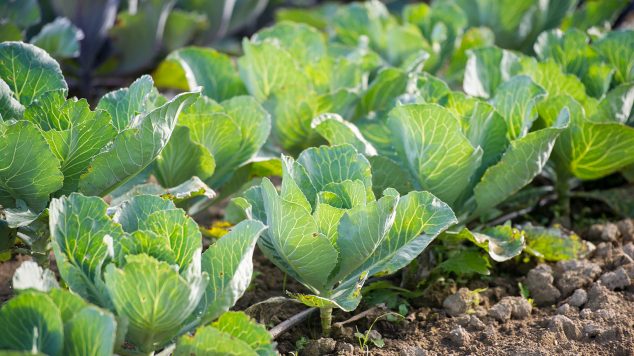
The best food to offer, if one must offer any, is a complete horse, dairy or deer feed in pellet form; apples, oats, and acorns are also used as feed. The feeding program should start early in winter, while the deer are still healthy and their stomachs can adjust to the foods. The program, once started, should continue until spring when greenery is available to the deer. Any kind of hay, kitchen scraps, cabbage and lettuce are not a good diet for deer. Feeding these foods can lead to starvation.
Supplemental feeding stations create competition. The weakest deer, usually fawns, more vulnerable to starvation in winter, are denied food by stronger, more aggressive deer. To reduce competition, one might try distributing supplemental feed in many locations.
Some deer, often mature bucks, die from eating too much high-energy feed at one time. Concentrations of deer at feeding stations increase the chances of spreading disease. Toxic chemicals produced by molds, especially in moldy corn, can lower deer reproduction and also kill birds.
At feeding stations in winter, deer numbers may be three to five times greater than normal. Since deer usually eat on their way to and from supplemental feed stations, browsing on landscape plants and gardens may increase. Deer can kill all vegetation in their reach and within a one-mile radius of a feeding station. This overbrowsing on native vegetation creates poor quality of habitat for deer, loss of forest regeneration, and loss of habitat for other wildlife, such as birds that nest near the ground and in the shrub layer of the forest.
Nature seeks a balance between populations of wildlife and their habitat. When we interfere with this balance, at least in regard to deer, negative effects escalate. In Maine, deer in high quality habitat do not need supplemental feeding to prosper.
![]()
By Nancy Coverstone (ncstone@umext.maine.edu), University of Maine Extension Educator in Androscoggin and Sagadahoc Counties
Return to Wild About Nature Table of Contents
Putting knowledge to work with the people of Maine

A Member of the University of
Maine System
Last Modified:
08/13/06
These pages are currently being maintained from the
Communications Office Office, University of Maine Cooperative Extension.
Send comments, suggestions or inquiries to www-questions@umext.maine.edu
COUNTY OFFICES | PROGRAMS | RESOURCES | PUBLICATIONS | WHAT'S NEWS | UMAINE EXTENSION HOME | UMAINE
Information in this web site is provided purely for educational purposes. No responsibility is assumed for any problems associated with the use of products or services mentioned in this web site. No endorsement of products or companies is intended, nor is criticism of unnamed products or companies implied.