


Extension News
-
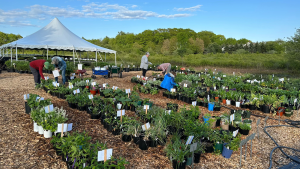
Annual Master Gardener Volunteer Plant Sale scheduled for June 1 in Falmouth
-

UMaine Extension 4-H offers online informational session for aspiring volunteers in May
-
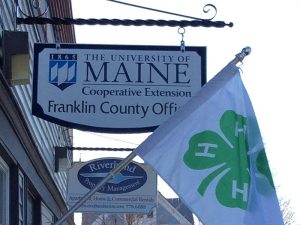
Franklin County Extension to host Chamber’s Business After Hours event on May 16
-
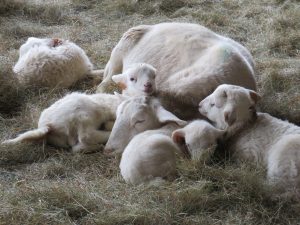
UMaine Extension offers sheep and goat school for new farmers May 11
-
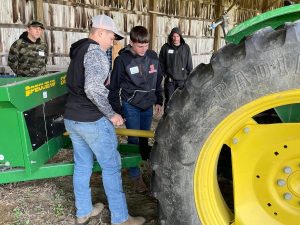
UMaine Extension offers tractor-safety themed farm visit at KVCC’s Hinckley campus
Extension in UMaine News
- UMaine Extension professor earns national recognition for multistate collaboration in agritourism
- Mainebiz boosts UMaine, USM medical research partnership
- Mott, Stanley named UMaine 2024 Outstanding Classified Employees
- News Center Maine hosts garden talk with Extension’s Hargest
- Extension’s Holland featured in Q&A on pollination with Sun Journal