





![]()
|
Maine Farm Safety Program University
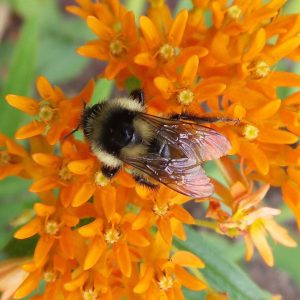
of Maine Cooperative Extension Most bees and insects will not attack if left alone. If provoked, a bee will sting in defense of its nest or itself. Thousands of people are stung each year and as many as 40 to 50 people in the United States die each year as a result of allergic reactions. Reduce the Risk of Being Stung
What to Do if a Person is Stung
Allergic Reactions to Bee Stings Allergic reactions to bee stings can be deadly. People with known allergies to insects stings should always carry an insect sting allergy kit and wear a medical ID bracelet or necklace stating their allergy. See a physician about getting either of these. There are several signs of an allergic reaction to bee stings. Look for swelling that moves to other parts of the body, especially the face or neck. Check for difficulty in breathing, wheezing, dizziness or a drop in blood pressure. Get the person immediate medical care if any of these signs are present. It is normal for the area that has been stung to hurt, have a hard swollen lump, get red and itch. There are kits available to reduce the pain of an insect sting. They are a valuable addition to a first aid kit. For information on safely removing known nests, contact the Extension Office in your area. |
Maine Farm Safety Fact Sheet Series - Index of Titles
This Maine Farm Safety fact sheet is part of an educational fact sheet series produced by University of Maine Cooperative Extension. For more information on farm safety, contact your county Extension office.
Published and distributed in furtherance of Acts of Congress of May 8 and June 30, 1914, by the University of Maine Cooperative Extension, the Land Grant University of the state of Maine and the U.S. Department of Agriculture cooperating. Cooperative Extension and other agencies of the U.S.D.A. provide equal opportunities in programs and employment.
Return to Publications Catalog Online Table of Contents
Return to Publications Homepage
Putting knowledge to work with the people of Maine

A
Member of the University of Maine System
Last Modified:
08/12/08
These pages are currently being maintained from the
Communications Office, University of Maine Cooperative Extension.
Send comments, suggestions or inquiries to www-questions@umext.maine.edu
COUNTY OFFICES | PROGRAMS | RESOURCES | PUBLICATIONS | NEWS AND EVENTS | UMAINE EXTENSION HOME | UMAINE