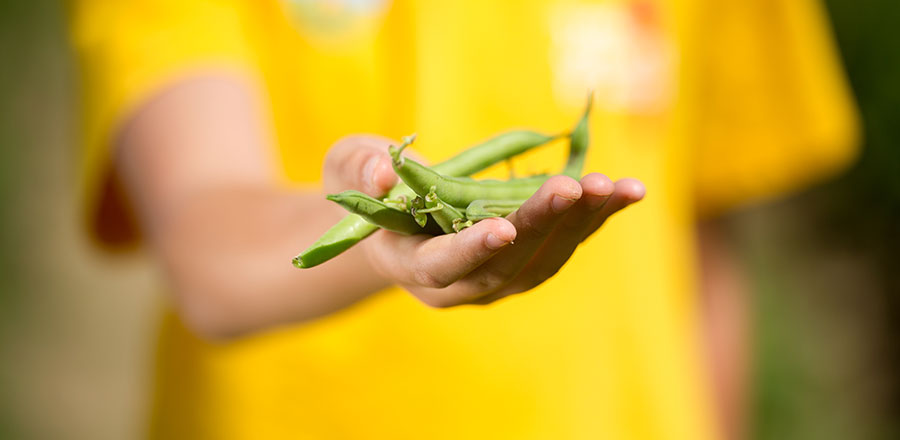




University of Maine Cooperative Extension logo  vegetables fresh from the garden

Information you can use,
research you can trust


Home     Find your county office     Publications     About us     News     Events     Programs     Partners & other resources     UMaine

 Find more of our publications and books at extensionpubs.umext.maine.edu

Guidelines for Using Manure on Vegetable Gardens
Bulletin #2510

Publicity about E. coli outbreaks has made people more aware of the risk of food-borne illness. As a result, many people are asking about the safety of using manure on vegetable gardens.

Animal manure can contain bacteria such as Listeria, Salmonella, and E. coli 0157:H7, as well as roundworms and tapeworms. These tiny organisms are called pathogens because they may cause disease. Pathogens can pass from animal manure to humans through direct contact between contaminated manure and fresh fruit and vegetables.

Note: some people may be more at risk for food-borne illness and should not eat uncooked vegetables from manured gardens. Those who should be most careful include pregnant women, the elderly, very young children, and those with health issues such as cancer, kidney failure, chronic liver disease, diabetes, or AIDS.

To reduce the risk of disease transmission, food safety experts suggest that you follow these safe gardening practices:

  • Use composted manure. Composting manure with your yard and garden waste helps reduce the risk of contaminating your garden vegetables with pathogens. Ensuring that your compost pile reaches a temperature of 140°F will further reduce the risk. For more information on home composting, contact your University of Maine Cooperative Extension county office. Commercially processed manure, available in garden centers, should indicate on the package if it is pathogen-free.

  • Never use cat, dog, or pig manure in vegetable gardens or compost piles. Parasites that may be in these types of manure are more likely to survive and infect people than those in other types of manure. It is also important to keep your pets out of your vegetable garden.

  • Use water that meets safe drinking standards to irrigate your vegetables (for water testing information, contact your county UMaine Extension office). This is most important within one month of harvest. If you use any water that is not drinkable (potable), such as water from old dug wells or rain barrels, to irrigate your garden, it is best to use drip (trickle) irrigation to both conserve water and minimize the contamination of leafy vegetables that can occur with overhead irrigation. Information on simple trickle irrigation techniques is available at your county UMaine Extension office.

If you do intend to use raw manure as a soil amendment or fertilizer source on your garden, follow these guidelines:

  • Apply raw manure at least 120 days before harvesting a crop that has the potential for soil contact (leafy greens, root crops, etc). The USDA National Organic Program (NOP) standards allow a 90-day period between manure application and harvest for crops that don’t have direct contact potential with soil.

  • For some gardeners in Maine, the best time to apply raw manure to your garden may be in the fall after harvest; incorporate it into the soil and plant a cover crop to hold nutrients over the winter. This should be done before October 1 for good cover crop establishment.

  • Never use raw manure as a sidedress to growing plants. Manure that is incorporated and distributed throughout the soil has a much lower risk of passing pathogens to the growing crop.

  • Consider the source if you still want to use raw manures in your garden. Are the animals in the herd or flock healthy? Is there a parasite problem that requires regular deworming? Does the farm use antibiotics as a regular component of their feeding program?

In the Kitchen

  • Make sure your hands are clean when handling produce. Regularly wash your hands with soap and water, especially when picking produce and bringing it into the kitchen for direct consumption or processing.

  • Use proper hand-washing techniques, such as washing for 20 seconds with hot, soapy water and thoroughly scrubbing fingernails, hands, and between fingers. Dry hands thoroughly with a clean towel or single-use paper towels. Always wash hands after using the bathroom, changing diapers, and handling animals. Visit the U.S. Food and Drug Administration’s Center for Food Safety and Applied Nutrition Web site for more information on proper hand-washing techniques: http://www.cfsan.fda.gov/~dms/a2z-h.html.

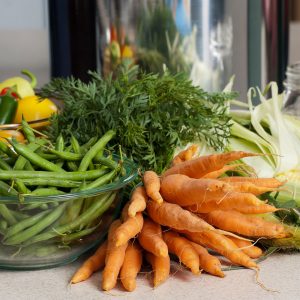
  • Wash and peel your garden vegetables. All produce should be washed very well before you eat it. The risk of contamination is greatest for crops like radishes, carrots, and leafy vegetables such as lettuce, where the edible parts touch the soil. Washing with clean water and peeling will remove most of the pathogens that can cause illness. Fully cooking the vegetables will kill any remaining pathogens.

  • Always wash with clean, potable water. Do not use soaps or chlorine washes to wash produce. Vegetable wash products are not necessary, and have not been found to be any more effective than clean water.* When washing or rinsing vegetables, don’t use water that is colder than the produce by 10°F or more.

*Crowe, Kristi, Alfred Bushway and Mahmoud El-Begearmi, 2004. Best Ways to Wash Fruits and Vegetables. Extension bulletin #4336. Food Safety Facts. Orono, ME: University of Maine Cooperative Extension.

This information is adapted from Guidelines for Using Manure on Vegetable Gardens with the permission of Washington State University Extension.

Extension books and publications homepage

Published and distributed in furtherance of Acts of Congress of May 8 and June 30, 1914, by the University of Maine Cooperative Extension, the Land Grant University of the state of Maine and the U.S. Department of Agriculture cooperating. Cooperative Extension and other agencies of the U.S.D.A. provide equal opportunities in programs and employment.

Call 800-287-0274 or TDD 800-287-8957 (in Maine), or 207-581-3188, for information on publications and program offerings from University of Maine Cooperative Extension, or visit www.umext.maine.edu.


University of Maine crest artLast Modified: 09/23/08 | Accessibility | Non-discrimination & Disability Resources | Disclaimer | Copyright |

A Member of the University of Maine System