



University of Maine Cooperative Extension logo a variety of fresh fruits 

Information you can use,
research you can trust


Home     Find your county office     Publications     About us     News     Events     Programs     Partners & other resources     UMaine

Fruits for Health
Apples

Bulletin #4262

Updated and revised by Extension Professor Louise O. Kirkland
Originally developed by Extension Nutrition Specialist Nellie Hedstrom

People in Maine love apples. They are versatile, convenient, readily available year-round, nutritious, and delicious. No wonder the average Mainer eats about 120 apples a year!

Apples provide an easy way to get more fruit in our diets. They are a convenient snack to eat “as is” while on the go. They are also wonderful additions to a wide variety of dishes from soups to desserts.

Nutrition Information

Fresh apples are low in calories, with only about 75 calories in a small apple. They are also a good source of fiber, and virtually fat free. In fact, they are considered a “healthy-heart” food due to their soluble fiber, which has a cholesterol-lowering effect. Amounts of vitamin C and potassium are also found in apples. One small apple or one cup of sliced or chopped raw or cooked apple counts as a one-cup serving of fruit.

Selection

A number of varieties are grown in Maine, including McIntosh, Cortland, Macoun, Golden Delicious, Empire, Jonagold, Ginger Gold, Northern Spy, Jonathan and Honey Crisp. Choosing one for a particular use is largely personal preference, but some varieties are noted for certain qualities.

Cortland is sweet with a hint of tartness. It resists browning so is excellent for salads, as well as snacking, pies, sauce, baking, and freezing.

McIntosh is sweet and juicy. The texture is less firm than some varieties. It is excellent for snacking, pies and sauce, and good for salads and freezing.

Golden Delicious is a sweet, all-around variety excellent for snacking, salads, pies, sauce, baking, and freezing.

Jonagold is honey sweet. It’s an excellent variety for snacking, salads, sauce, and baking, and good for pies and freezing.

Northern Spy is a tart apple excellent for snacking, pies, sauce, and baking, and good for salads.

Ginger Gold and Empire are sweet, making them excellent for snacking and salads, and good for pies, sauce, and baking.

Jonathan is a tart apple considered excellent for snacking, salads, pies, sauce, and baking, and good for freezing.

Red Delicious and Macoun are sweet and juicy, making them good for snacking and salads.

Honey Crisp has a juicy sweet/tart flavor. It is excellent for snacking, salads, pies, sauce, and freezing, and good for baking.

Try picking apples at an orchard near you in the fall. Local apples are also readily available at many stands and farmers markets. Make sure apples are from an orchard that is free of livestock. Choose apples with firm flesh and tight, smooth, unbroken skins. Avoid bruises and rotten spots.

Storage

Handle apples gently. Bumps and bruises can lead to dark, soft spots. Apples should not be left at room temperature. Store them in a cool, dry place, or keep them in a plastic bag in the refrigerator crisper. Poke several holes in the bag for ventilation. Apples absorb odors from other foods, so remember to keep them separated from strong foods such as onions, garlic, and turnips. Properly stored, most varieties will keep from four to six weeks. Check often and remove any apples that are beginning to show decay.

Preparation

Always wash apples before eating or cooking. Whenever possible, don’t peel apples. Two thirds of the fiber and many of the antioxidants are found in the apple’s peel. Apple flesh browns quickly when exposed to air. To prevent this, use acidic juice—such as lemon, orange, or pineapple—to coat the cut fruit, or cover pieces with water while preparing a recipe.

Apple Coleslaw
Serves 6

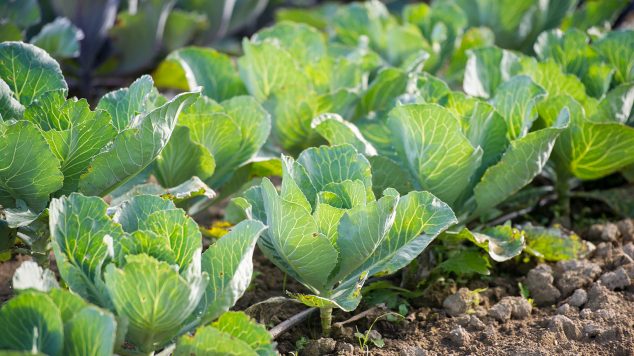
1 cup chopped or shredded red cabbage
1 cup chopped or shredded green cabbage
1/2 cup chopped or shredded carrot
1 diced apple
2 tablespoons raisins
2 tablespoons cider vinegar
3 tablespoons unsweetened apple juice concentrate
1/2 cup low-fat mayonnaise
Pepper to taste

1. In large bowl, combine the two types of cabbage with the carrots, apples, and raisins.

2. Mix together the remaining ingredients and add to the cabbage mixture. Toss well. Cover and refrigerate for at least 30 minutes before serving.

 Nutrition Facts
 Serving Size 1.00 serving  (92g)


  Amount Per Serving

 Calories 114

Calories from Fat 61


% Daily Value

 Total Fat  6.8g

10%

 Saturated Fat 1.4g

7%

 Trans Fat 0.0g


 Cholesterol 6.7mg

2%

 Sodium 174.6mg

7%

 Total Carbohydrate 13.0g

4%

 Dietary Fiber 1.5g

6%

 Sugars 8.9g


 Protein 4.1g


 Vitamin A 34%

Calcium 2%

 Vitamin C 21%

Iron 2%


Apple Cake
Serves 16

1/2 cup water, apple juice, or cider
1/4 cup canola oil
1/4 cup nonfat vanilla or lemon yogurt
1/2 cup sugar
2 eggs
2 teaspoons vanilla
2 unpeeled apples, finely chopped
1 1/2 cups flour
1 1/2 cups whole wheat pastry flour
1 1/2 teaspoon baking soda
3/4 teaspoon cinnamon
3/4 teaspoon nutmeg
1/4 cup chopped nuts

1. In a large bowl, mix ingredients in order given.

2. Pour into greased tube pan.

3. Bake at 325° F for about 35 minutes.

4. Let cake cool before removing from pan.

Nutrition Facts
Serving Size 1.00 slice  (63g)


Amount Per Serving

Calories 168

Calories from Fat 50


% Daily Value

Total Fat  5.6g

9%

Saturated Fat 0.6g

3%

Trans Fat 0.0g


Cholesterol 26.5mg

9%

Sodium 129.9mg

5%

Total Carbohydrate 26.46g

9%

Dietary Fiber 2.2g

9%

Sugars 8.6g


Protein 4.4g


Vitamin A 1%

Calcium 2%

Vitamin C 1%

Iron 7%

Some content adapted with permission from University of Massachusetts Cooperative Extension.

Extension books and publications homepage

Published and distributed in furtherance of Acts of Congress of May 8 and June 30, 1914, by the University of Maine Cooperative Extension, the Land Grant University of the state of Maine and the U.S. Department of Agriculture cooperating. Cooperative Extension and other agencies of the U.S.D.A. provide equal opportunities in programs and employment.

Call 800-287-0274 or TDD 800-287-8957 (in Maine), or 207-581-3188, for information on publications and program offerings from University of Maine Cooperative Extension, or visit www.umext.maine.edu.


University of Maine crest artLast Modified: 08/25/08 | Accessibility | Non-discrimination & Disability Resources | Disclaimer | Copyright |

A Member of the University of Maine System