


| To print a copy, we recommend downloading the (PDF) print version. (Download the free Adobe Acrobat Reader, if you don't already have it.) |
Habitats
A Fact Sheet Series on Managing Lands for Wildlife
University of Maine
Cooperative Extension
Bulletin #7132
Principles for Creating a Backyard Wildlife Habitat
Its easy to create a landscape for your own enjoyment and, at the same time, provide for the needs of wildlife. This fact sheet will introduce you to nine principles that will help you do just that: the four basic wildlife needs; function and form; diversity; seasonality; arrangement; protection; native plants and seed origins; climate and plant hardiness zones; and soils and topography.The Four Basic Wildlife Needs: Food, Water, Cover and Space
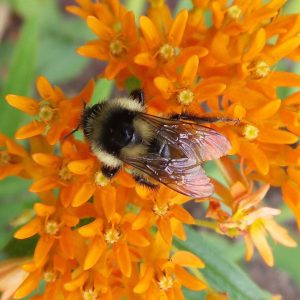
Food: Food supplies energy and nutrients. Each wildlife species has its own nutritional needs, which change from one season to another and as an individual animal goes through its life cycle. Your plantings can provide a variety of foods, such as fruits and berries, grains and seeds, nuts and acorns, browse plants which include twigs and buds of shrubs and trees, forage plants which include grasses and legumes, and aquatic plants. Insects and other invertebrates, attracted to flowers, shrubs and trees, are also food for wildlife. Grit is used by many birds as part of their digestion. Flowering plants first provide nectar, then seeds or fruits. In some instances, the same plants hold their seed or fruit into fall or winter.
Profile: Alternate-leaf Dogwood Alternate-leaf dogwood (Cornus alternifolia) flowers provide nectar for insects. Fruit and buds are used by many bird species and some mammals. This plant is also used for shelter and nesting by birds.
|
Water: This is essential to all forms of life. If you have a watery habitat on your property, preserve it. If not, consider how you might provide water. You might create a pond or use birdbaths as a source of water in your yard. Heated birdbaths provide water when most other sources are frozen. Food provides some of the water necessary to wildlife, but a good drink of clean water is always welcome. Birdbaths should be no more than three inches deep, and have a rough, sloping bottom to provide good footing.
Cover: Trees, shrubs, grasses and flowering plants provide shelter or cover for wildlife, as do rock piles, brush piles, cavities in trees and birdhouses. Wildlife use cover to protect themselves from the elements, to hide from predators and to rest or sleep. They also use cover for nesting and rearing their young.
Space: Many species of wildlife are territorial, defending an area that contains the food, water and cover they need. Species that are not territorial occupy a home range within which they perform daily functions and find food, water and cover. The amount of space needed for a territory or home range varies with the species, the quality of the habitat and the time of year. Have you noticed that many birds are solitary or paired in summer and flock together in winter? Keep in mind that territories and home ranges may include, but often extend beyond, your yard.
Function and Form When choosing plants for your yard, consider their function
or role, as well as their form or appearance. Ask yourself, "Will it provide food or
shelter, will it add to the diversity of the habitat?" You may have limits as to what
you can plant because of the size of your yard or the cost, so choose plants that serve
more than one function.
Diversity
Diversity or variety in your habitat will promote a healthy landscape and attract diverse wildlife species. Aim for plant species and structural diversity, as well as a variety of non-living materials.
Plant species diversity: The presence of many plant species makes it less likely that insects or disease will cause severe problems. Having many species of trees, shrubs, perennial and annual flowers and grasses in your yard will also attract more varied wildlife. Diverse plants provide a wide range of foods that are available throughout the year.
Plant
structural diversity: The shape and size of different plants combine to
create structure in your landscape horizontally and vertically. Horizontal structure,
side-to-side, can be thought of in terms of edges, those places where one habitat type
meets another, such as a lawn meeting a line of trees. You can increase the diversity of
the edge by widening the ecotone, the zone of transition between habitat types. For
example, you could plant small shrubs such as butterfly bush, tall shrubs such as
serviceberry, and small trees such as crabapple to the edge between a lawn and a line of
trees, as shown in the illustration. You can widen the ecotone in a flower garden by
planting species of increasing heights. This may be low-growing plants, such as sedum and
marigolds, in front of medium height plants, such columbine and liatris, with tall plants,
such as phlox and yarrow, located behind. You can add to the
vertical diversity of your landscaping by adding more layers of vegetation between the
ground and the tree tops. Wildlife species that feed, nest or find shelter at different
levels will be able to meet their needs. Vertical diversity may be added by enhancing the
ecotone, as already described, or by planting species of varying heights and growth habits
in arrangements that are appealing to you. Of course, you will use plants appropriate to
the scale of your yard. Diversity of non-living materials:
There is more to wildlife habitat diversity than living plants. Standing or fallen dead
trees provide cavities, food and perches. Brush piles and rock piles or stone walls
provide hiding, nesting and feeding sites. Grit and dust baths are used by birds to aid
digestion and keep clean. Buildings provide nest sites and perches, and places for
butterflies and moths to hibernate. Nest and winter roosting boxes can be erected to
supplement natural cavities, and feeders add to the food supply. Water, in any form, is
essential.
Providing food and cover year-round requires a variety of trees, shrubs and other plants. It is important to think about wildlife needs during each season. The longer the period when flowers, seeds and fruits are available, the better. Fall, winter and early spring foods are critical to the survival of resident wildlife, as well as migrating species. Summer foods are important because during reproduction, energy needs of wildlife are very high. Cover is always necessary whether for nesting sites, shelter from weather, escape from predators, or for roosting. Conifers, cavity trees, and brush and rock piles provide winter shelter.
Arrangement
Thinking "crooked," allowing ready access to food, water and cover, is an advantage in creating the backyard habitat. Curves and clusters are visually appealing to us, and more attractive to wildlife. Food, cover and water need to be arranged near each other. Feeders with no nearby cover will either not be used, or may increase mortality through exposure to adverse weather or by predation. Plant conifers to break the prevailing winds, and on the protected side of the windbreak, have feeders and plants, and shrubs with berries. Perhaps your house serves as the windbreak to important feeding and nesting areas. When placing nest boxes, locate them to meet the needs of the species for which the nest box is intended.
Protection
Predation: Protecting wildlife from unnecessary mortality is an important consideration as you develop your backyard habitat. Natural predation is natural. Although free-ranging dogs and cats are natural hunters, they are not part of natural predation. In Wisconsin, for example, a recent study estimated 35 million birds are killed each year by free-ranging domestic cats. To offer protection for birds, feeders should be 10 feet from cover, and birdbaths should be 15 feet from cover, because cats use the cover to ambush birds using them. Declawing or putting bells on cats is only partially effective. Of course, your own cats can be kept indoors. Talk with your veterinarian about the benefits of indoor cats. Dogs can be a danger and a disturbance to wildlife, especially in nesting season, and need to be kept under control. See University of Maine Cooperative Extension Bulletin #7148, Facts on Cats and Wildlife: A Conservation Dilemma.
Windows: Windows reflect the sky and vegetation, so songbirds sometimes fly into them, breaking their necks. To prevent crashes, try placing any of the following on the outside of the window: a falcon cut-out silhouette, parallel strings stretched across the window, or a mobile of pine cones or dead branches. Locating feeders 30 feet from your house, or right next to your windows, can help reduce the number of birds that fly into the windows. Feeders right on or next to your house, however, may attract skunks, mice or other animals too near your home.
Nest boxes: House sparrows and starlings are exotic birds and tend to drive native songbirds away from boxes, or kill them in the nest box. Incorrectly designed nest boxes can become death traps. It is essential, when you buy or make nest boxes, to have ones designed specifically for the bird species you have in mind. Take perches off all nest boxes. Find out how and where to place nest boxes to reduce predation by cats and raccoons. Get good information on nest boxes before buying or making one.
Sanitation: It is extremely important to keep bird feeders, nest boxes and birdbaths clean.
There are five diseases associated with bird feeders, all of which can lead to death. The causes of the diseases are food and water contaminated by mold, fungus and infected feces, and surfaces contaminated by viruses from other sick birds. We can recognize sick birds because their feathers look unkempt, and they are less alert, less active, feed less, and are often reluctant to fly away.
You can prevent or reduce disease problems at your feeders by taking the following steps:
Feeder nectar ferments in two to three days. Drinking fermented nectar causes enlarged livers in hummingbirds, and may have the same effect on orioles. Buy nectar feeders that come apart so that all surfaces can be scrubbed. Nectar feeders should be cleaned and disinfected every two days, as already described. Be sure to rinse the nectar feeder after it has been immersed in the bleach-water solution.
Many people feed suet all year, but sun-warmed suet can cause infected follicles and loss of facial feathers. It can mat feathers, reducing insulation and waterproofing. Use suet only from October through April or May, depending on the temperatures. See University of Maine Cooperative Extension Bulletin #7145, Keeping Your Yard Safe for Birds.
Chemical fertilizers and pesticides: Many common house and yard chemicals are a danger to wildlife and humans. Birds eat granules or eat prey that have been exposed to chemicals. If you use any chemicals, use only as directed. Even then, many are lethal to wildlife. Rethink your use of these substances. Choose plant species that are resistant to diseases and pests. Let the many wildlife species that eat insects be your insect control. Autumn, the end of the growing season, is naturally a time when plants show the effects of insects feeding. Be tolerant of insect damage. Mulches of compost or leaves add nutrients to the soil and strengthen plants ability to ward off diseases. See University of Maine Cooperative Extension Bulletin #7150, Beneficial Insects and Spiders in Your Maine Backyard.
Some Common Backyard Wildlife Species in Maine |
|
Amphibians
Birds
|
Mammals
Reptiles
|
Profile: New England Aster New England aster (A. novi-angliae) provides nectar for butterflies, moths and bees. After the flower heads dry, the seeds are used by small bird species. Many perennials provide nectar and seed if the flower heads are not removed. Many bird species rely heavily on insects as a large part of their diet, and plants like the New England aster attract insects that are eaten by birds.
|
Native plants have several advantages. They are adapted to our climate and survive the winters. Once they are established in your yard, they need a minimum of maintenance. A plant species may be native in Maine, but if the seeds you purchase are grown too far from our area, they may not be successful here. Study what conditions you have in your yard and which native species will flourish there. Find reputable sources for native plant seeds or material. See University of Maine Cooperative Extension Bulletin #2500, Gardening to Conserve Maine's Native Landscape.
Climate and Plant Hardiness Zones
For the best success and the most benefit for your investment of money and time, choose plants that are adapted to your plant hardiness zone. Know your hardiness zone and always find out the hardiness of all plants before you buy them. Ask for a copy of Cooperative Extension bulletin #2242, Plant Hardiness Zone Map of Maine, available through your county Extension office.
Soils and Topography
Learn about the topography and soils in your yard. Topography is the natural slope and contours of your land. It effects water drainage and exposure to sun. Know your south-facing slopes, the wet areas and shady areas. Soils may be acidic or alkaline; they may be sandy, clay or loam. Different species of plants need different combinations of moisture, light and soil. Find out what a plant needs before selecting it. Soil testing is available through the University of Maine Cooperative Extension. Soil maps are available from your local USDA Natural Resources Conservation Service.
Developed by Nancy Coverstone, Extension educator, University of Maine Cooperative Extension. Editing assistance from Catherine A. Elliott, Extension Wildlife Specialist, University of Maine Cooperative Extension, and Judy Walker, Naturalist, Maine Audubon Society.
For more information, contact your University of Maine Cooperative Extension county office.
Sources:
"Landscaping for Wildlife," by Carrol L. Henderson, Minnesota Department
of Natural Resources, 1987.
"Wild About Birds," by Carrol L. Henderson, Minnesota Department of
Natural Resources, 1995.
"Enhancing Your Backyard Habitat for Wildlife," by Peter M. Picone, Connecticut Department of Environmental Protection, 1995.
The Natural Wildlife Health Center of the U.S. Geological Survey
See the University of Maine Cooperative Extension Online Publications Catalog for the complete Habitats fact sheet series.
Published and distributed in furtherance of Acts of Congress of May 8 and June 30, 1914, by the University of Maine Cooperative Extension, the Land Grant University of the state of Maine and the U.S. Department of Agriculture cooperating. Cooperative Extension and other agencies of the U.S.D.A. provide equal opportunities in programs and employment.
Return to Publications Catalog Online Table of Contents
Return to Publications Homepage
Putting knowledge to work with the people of Maine

A Member of the
University of Maine System
Last Modified:
05/09/08
These pages are currently being maintained from the
Communications Office, University of Maine Cooperative Extension.
Send comments, suggestions or inquiries to www-questions@umext.maine.edu
COUNTY OFFICES | PROGRAMS | RESOURCES | PUBLICATIONS | NEWS AND EVENTS | UMAINE EXTENSION HOME | UMAINE