



Groundhog / Woodchuck in your garden?


The woodchuck, or groundhog, is a member of the squirrel family. It has a compact, hefty body, short, strong legs with long, curved claws on the forefeet for digging and a short tail. It is heavily furred and dark brown in color, weighs from 5 to 10 pounds. Although they are slow runners, woodchucks are alert and can quickly move into their dens when alarmed.

Woodchucks hibernate during the winter, becoming active in late February and March. Mating occurs in March and a single litter of two to four young is produced annually. The young are weaned by late June or early July, and soon thereafter strike out on their own--usually occupying old, abandoned dens. Woodchucks are active during the daylight hours, and their range is approximately 50 to 100 feet from their dens. The den and burrows are extensive and may be used for several years. Burrows may be as deep as 5 feet and up to 60 feet in length. Woodchucks seem to prefer to construct burrows on or near farm land where crops grow. They frequently may be found in woodlands or in abandoned farm lands and occasionally in urban areas where the combination of food and cover provides a satisfactory habitat.

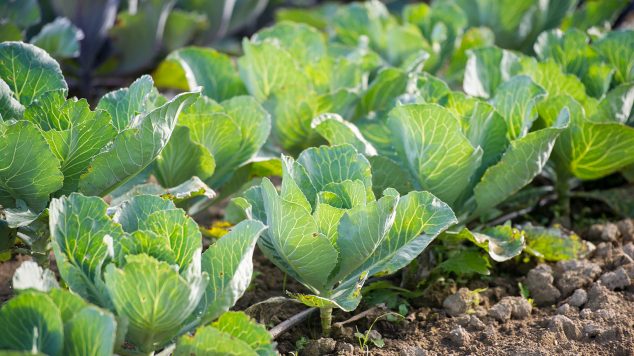
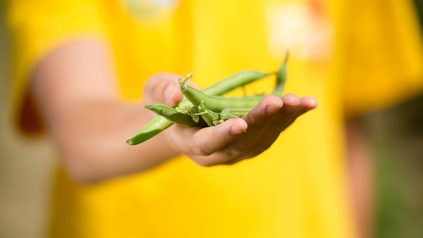
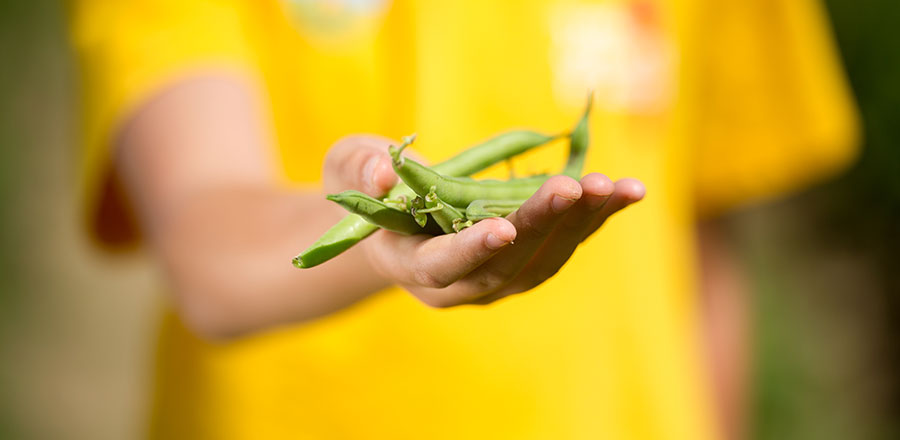
Woodchucks are voracious feeders, feeding actively on succulent, green vegetation in early morning and evening periods during summer. Woodchucks feed primarily on vegetables, trees, grasses and legumes. Their favorite foods include various beans, cole crops, carrot tops, clover, squash and peas.


There are several methods that can be used to control woodchucks:  

- Wire fencing will help keep woodchucks out of nursery areas and small gardens. Bury the lower edge 10 to 12 inches deep in the soil to prevent burrowing under the fence. Because woodchucks are good climbers, the fence should be three to four feet high.  

- Live trapping is an effective method of reducing woodchuck numbers in a small area. Live traps may be of the homemade type or wire mesh commercial variety. The opening for these traps should be eight inches square or larger. Live traps can be effectively baited with apples, carrots, green beans, lettuce or other green vegetables, preferably of the type the woodchucks are already eating. Traps should be placed at the burrow opening at dusk when the animal is in the den, in rows where damage is occurring or other areas the woodchucks frequently travel. Place guide logs on either side of the path between the burrow opening and the trap to funnel the woodchucks toward the trap. Check the trap twice daily. Disposal of trapped woodchucks presents a problem. Drowning is an option, but woodchucks can apparently live for at least 15 minutes underwater.

- Commercial gas cartridges filled with slow-burning chemicals are available at garden supply stores. These are ignited and placed in the burrows and the entrances are sealed. Woodchuck burrows are distinguished by a large mound of excavated earth at the main entrance; there are always two or more entrances to each burrow system. As the cartridges burn, carbon monoxide and sulfur dioxide fill the tunnels and kill the woodchuck. Before using

these cartridges, read and follow all instructions and cautions on the label; gas cartridges can pose a fire and health risk.

Source: Gauthier, N. L., 1999. Woodchucks, URI GreenShare, University of Rhode Island Landscape Horticulture Program,http://www.uri.edu/ce/factsheets/sheets/woodchucks.html


Next Page


Back to Contents


Text Box:  Woodchuck in wire trap. Photo by R.A. Casagrande, URI