

Starting Seeds… Is it Time Yet?
With over three feet of snow on the garden it is a little early to be thinking about starting some our vegetable transplants for the garden. But if you are going to start some of the slower growing flowers, February is a good time. Here are a few flowers you can consider starting now.
Begonia (Begonia) Lobelia (Lobelia)
Impatiens (Impatiens) Pansy (Viola)
Petunia (Petunia) Stocks (Matthiola)
Torenia (Torenia) Black-eyed Susan vine (Thunbergia)
Many of these are very small seeded so it is easier to start a number of seeds in one container or flat. Be sure to label your seeds so you know what flower they are and the date that you started them.
Seeds should be started in a moist soilless media such as a mixture of peat moss, perlite and/ or vermiculite. This soilless media doesn’t contain the damping off fungus so seedlings can get a good start. I like to put a sheet of plastic wrap over the top of the container to hold in the moisture and then I place the container in a warm place (600 to 650) like the top of the refrigerator or on a heating pad.
Once the seeds germinate you need to put them in the sun or under lights for 14 to 16 hours a day. Be careful about watering since the young seedlings don’t need much water and over watering can kill them quickly. I like to lift the containers to determine the weight of the container before I water. Lighter containers need to be watered, heavier containers don’t. It is easier to bring a plant back from a wilt caused by dry conditions than to bring it back from a wilt due to death of the roots from over watering. Seedlings will need some fertilization for best growth. Apply a soluble fertilizer at half strength for the first few weeks from germination, after that fertilize every two weeks as recommended by manufacturer. Over fertilization can harm your seedlings.
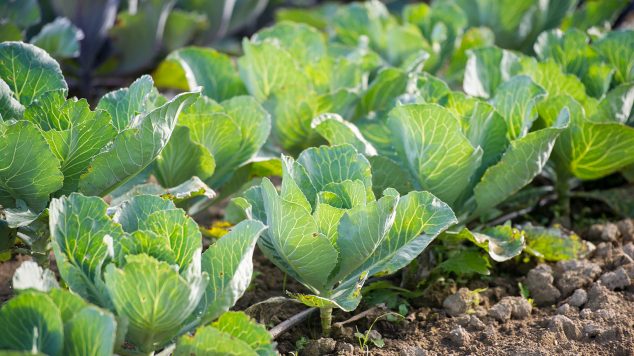
So when should you start thinking about starting vegetable seedlings? Here is a helpful chart to get you started.
| Vegetables | Time for seeding | Comments | |||||||||
![]()
|
Mid March |
Grow cool, tolerate light frost outdoors after hardening
|
|||||||||
|
Warm-season crops (tomato, eggplant, pepper)
|
Late March to Early April | Keep warm. Do not subject to frost. | |||||||||
|
Vine crops (cucumber, cantaloupe, squash, watermelon)
|
Lat April to Early May |
Sow directly in pots. Keep warm at all times
|
This chart assumes that the average frost free date will be June 1st and that cold sensitive crops will not be planted in the garden until June 15th unless they are protected from cool temperatures with a row cover.
Source: Coffin, D., K. Hopkins, F. Wertheim, C. Bowie, Starting Seedlings in Maine, 2008. Available at the Enjoy Your Garden with Containers and Raised Beds series this spring.
|
Vegetables |
Time for seeding |
Comments |
|
Cool-season crops (broccoli, cabbage, cauliflower, head lettuce) |
Mid March |
Grow cool, tolerate light frost outdoors after hardening |
|
Warm-season crops (tomato, eggplant, pepper) |
Late March to Early April |
Keep warm. Do not subject to frost |
|
Vine crops (cucumber, cantaloupe, squash, watermelon) |
Late April to Early May |
Sow directly in pots. Keep warm at all times. |